Horticulture
Tomatoes, peppers, leafy vegetables and other high-value perishables.
MulticomIoT · IoT · AI · GIS
From Farm to Market. A More Resilient Food Future.
Connecting farms, cold-chain infrastructure, logistics and markets, so less food is lost between the people who grow it and the people who need it.
Hub 02 · Bono · demonstration feed
Temperature
2.5°C
Humidity
68%
Door
Secure
Capacity
74%
The challenge
Produce rarely fails at one point. It fails along a chain where no single operator sees the whole picture, and where a problem found late is a problem that has already cost someone a harvest.
The solution
Five connected stages, each instrumented, each feeding the same intelligence layer. Choose a stage to see what it measures.
GIS food intelligence
Where produce is concentrated, where cooling exists, where it does not, and how far apart the two sit. These are geographic questions before they are technology questions. Getting them wrong puts a cold room where nothing needs cooling.
Monitoring and intelligence
A dashboard tells you what happened. The value is in what happens next, and in getting it to someone early enough to act.
Temperature, humidity, energy, solar and battery, door events, equipment condition, location.
Production clusters, capacity maps, temperature excursions, shelf-life risk, utilisation, route and demand patterns.
Spoilage risk, capacity forecasts, maintenance signatures, harvest weighed against available cooling.
Alerts to the person who can do something, in time for it to matter.
Spoilage risk
Batch has elevated deterioration risk.
Capacity forecast
Cold hub expected to reach high utilisation tomorrow.
Maintenance
Compressor energy behaviour indicates potential maintenance requirement.
Harvest
Expected harvest volume exceeds nearby cooling capacity.
Logistics
Temperature excursion detected during transit.
Market
Available produce identified within target sourcing radius.
Existing capability
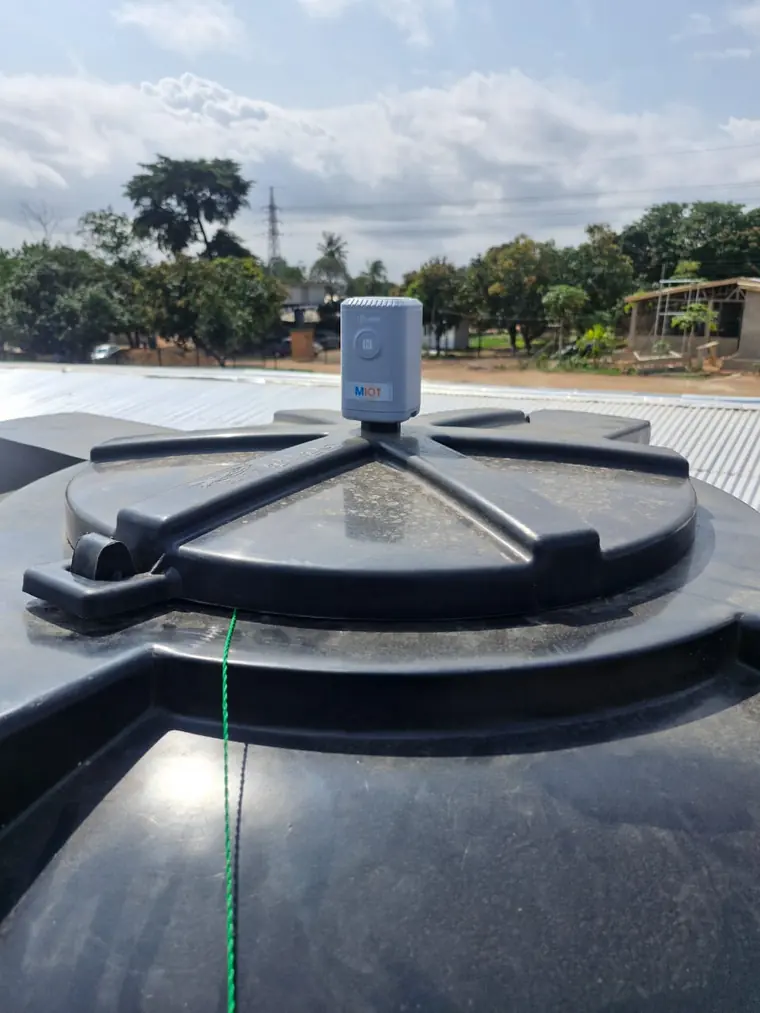
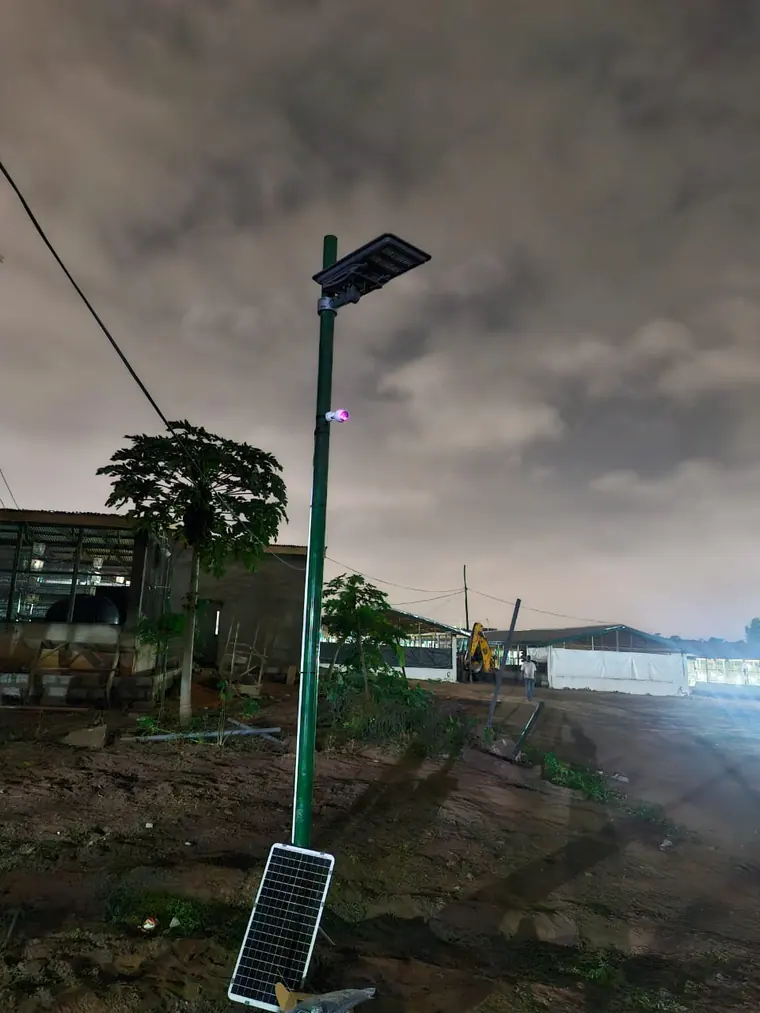
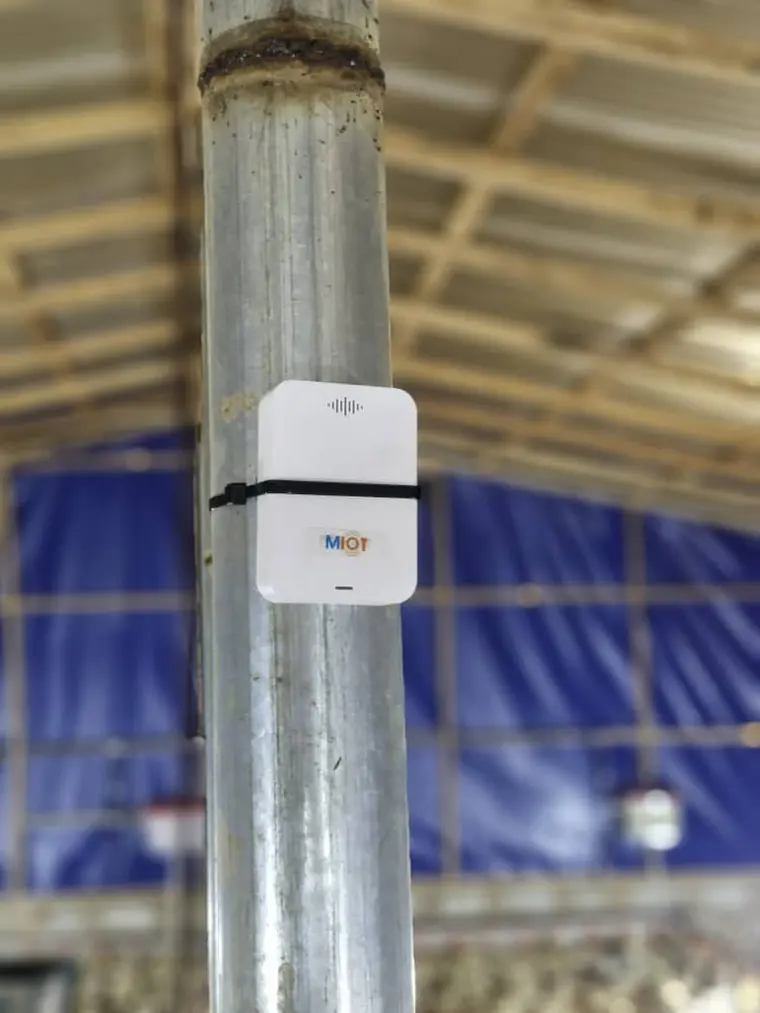
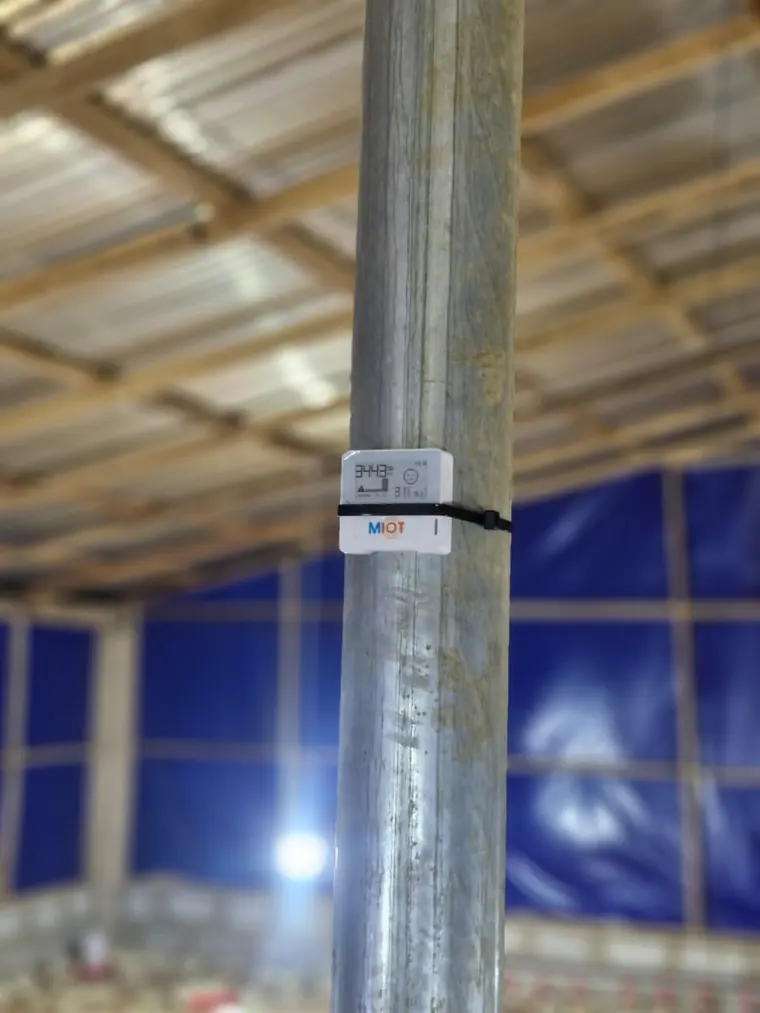
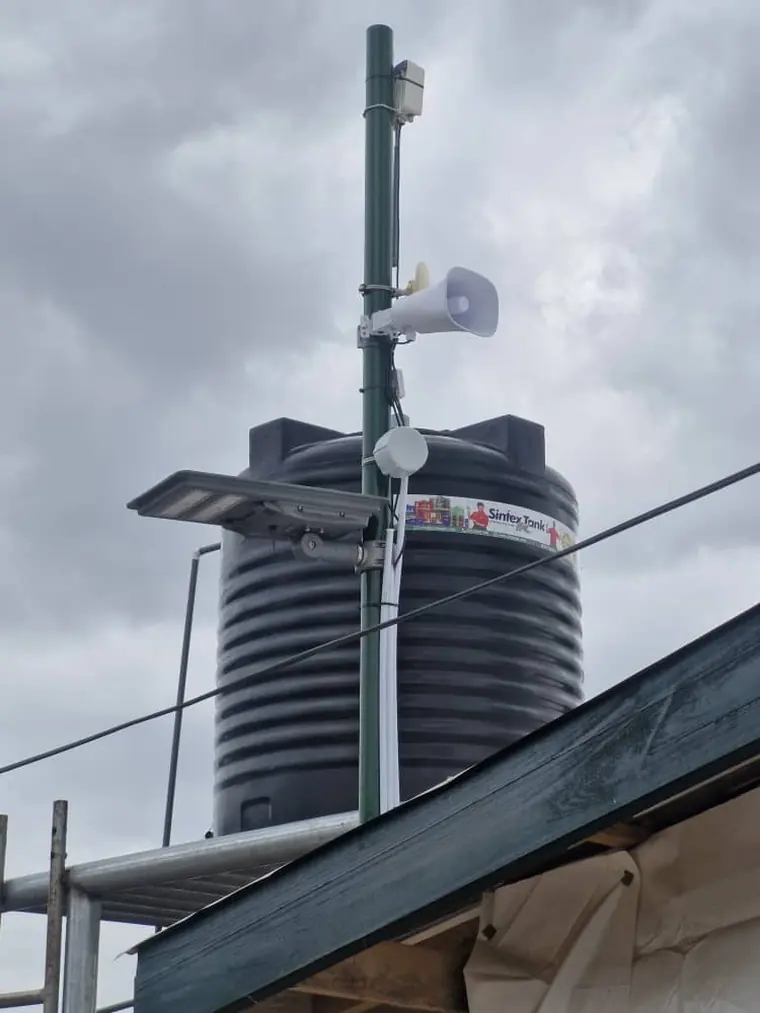
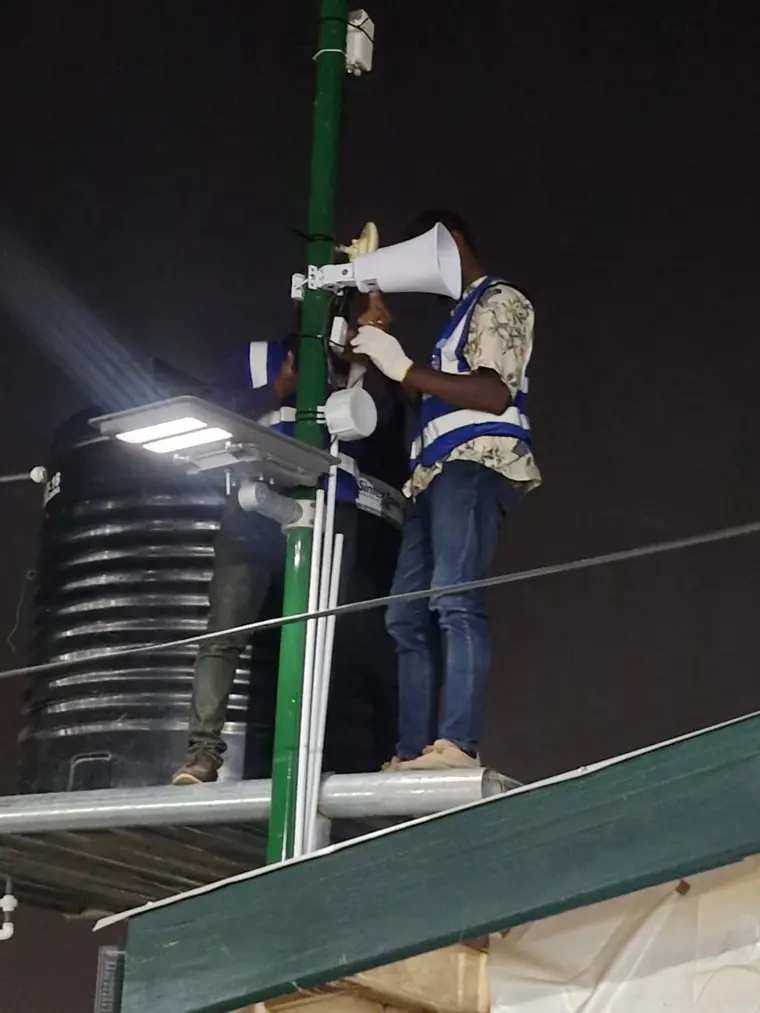
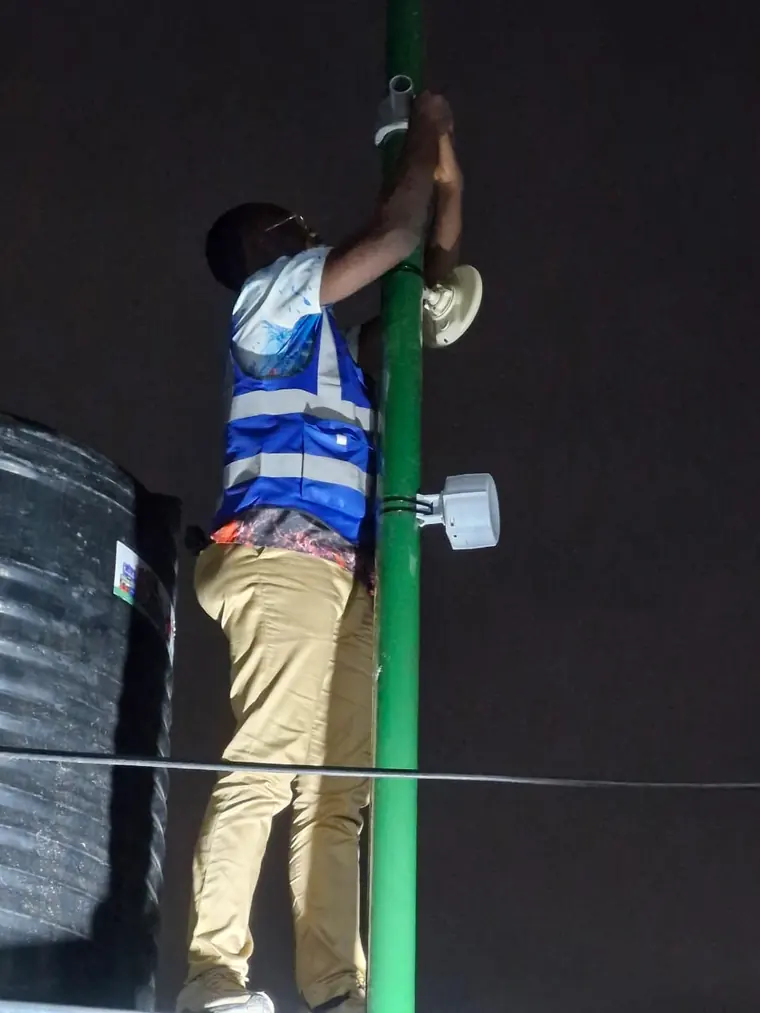
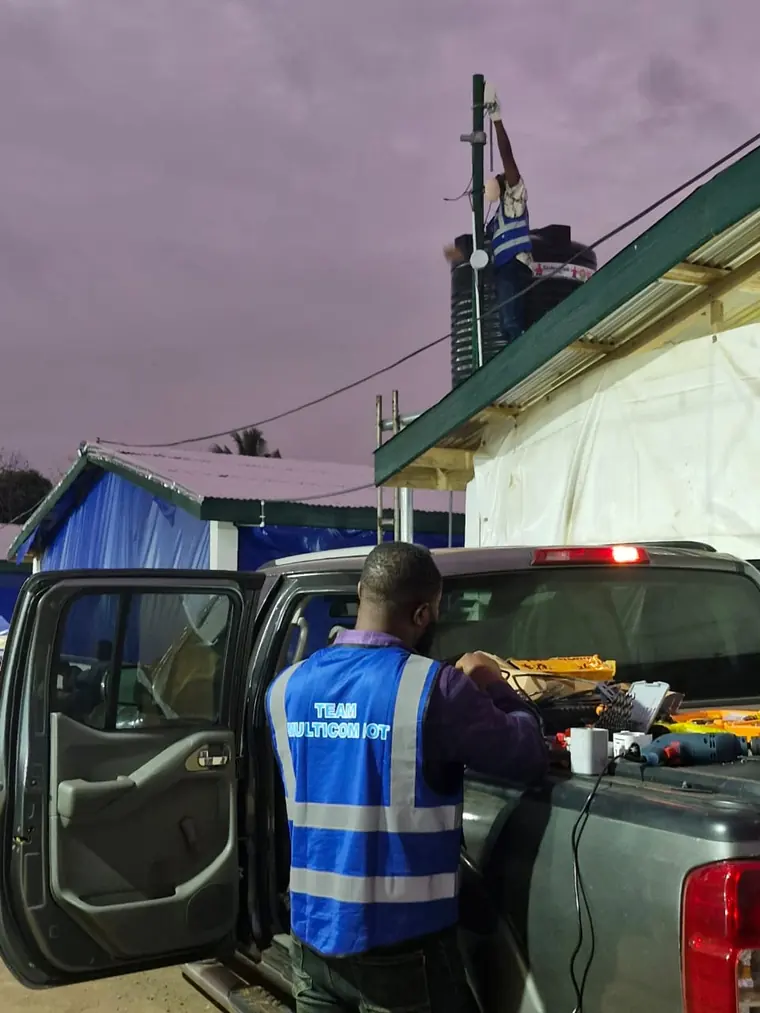
MulticomIoT sensors, gateways, solar infrastructure and cameras are installed and reporting in Ghana today, including smart poultry production monitoring. The cold-chain network extends this work. It does not start from nothing.
Sector applications
The same network serves different perishables. Priority follows shelf life, temperature sensitivity and how many producers it reaches.
Tomatoes, peppers, leafy vegetables and other high-value perishables.
Temperature-controlled handling from landing point to market.
Smart production, processing, cold storage and distribution, connected.
Temperature-sensitive collection and distribution.
Improved shelf life and better market access.
Ghana → Africa
Ghana provides the environment to demonstrate, validate and refine the network before structured replication across African markets.
Build and operate in real conditions, at real sites, with real produce.
Independent measurement of what changed, not a count of what was installed.
Fix what the evidence says is wrong, before it is repeated anywhere else.
A playbook other markets can run, with partners who own their own deployments.
Partnership
No single organisation builds a food system. MulticomIoT's role is specific and deliberately bounded: the digital intelligence and IoT integration layer. Refrigeration, energy, logistics and market infrastructure come from partners who do those things properly.
Loss avoided, shelf-life extension.
Price realisation, rejected produce avoided.
Excursions, time in range.
Renewable share, energy per unit cooled.
Hub utilisation, uptime, equipment reliability.
Buyer connections, time to sale.
Roles created, operators trained.
No performance figures appear on this page. Results will be stated only where they come from measured deployment data, with the method given alongside them.
Sensors, cameras, cold rooms, vehicles, solar, farm devices.
IoT gateways, local processing, resilient connectivity.
Cellular, Wi-Fi, LPWAN and other approved networks.
Device management, telemetry, rules engine, alerts, GIS, APIs, identity and access.
Analytics, AI, forecasting, predictive maintenance, risk detection.
Operations dashboard, mobile app, farmer interface, partner portal, market interface.
MulticomIoT operates remote monitoring and control across environment, energy, agriculture, water and remote sites in Ghana today, including smart poultry production monitoring. The Smart Food Resilience & Cold Chain Network described here is a proposed programme extending those capabilities into cold-chain and farm-to-market operations. All telemetry shown on this page is simulated for demonstration. Nothing here describes a deployment that does not exist, and no partnership, funding award or performance result is claimed.
Get involved
MulticomIoT is building the digital intelligence required to connect producers, cooling infrastructure, logistics and markets into a smarter food ecosystem.